Canada's "Sweetest Season": The Art and Culture of Maple Syrup
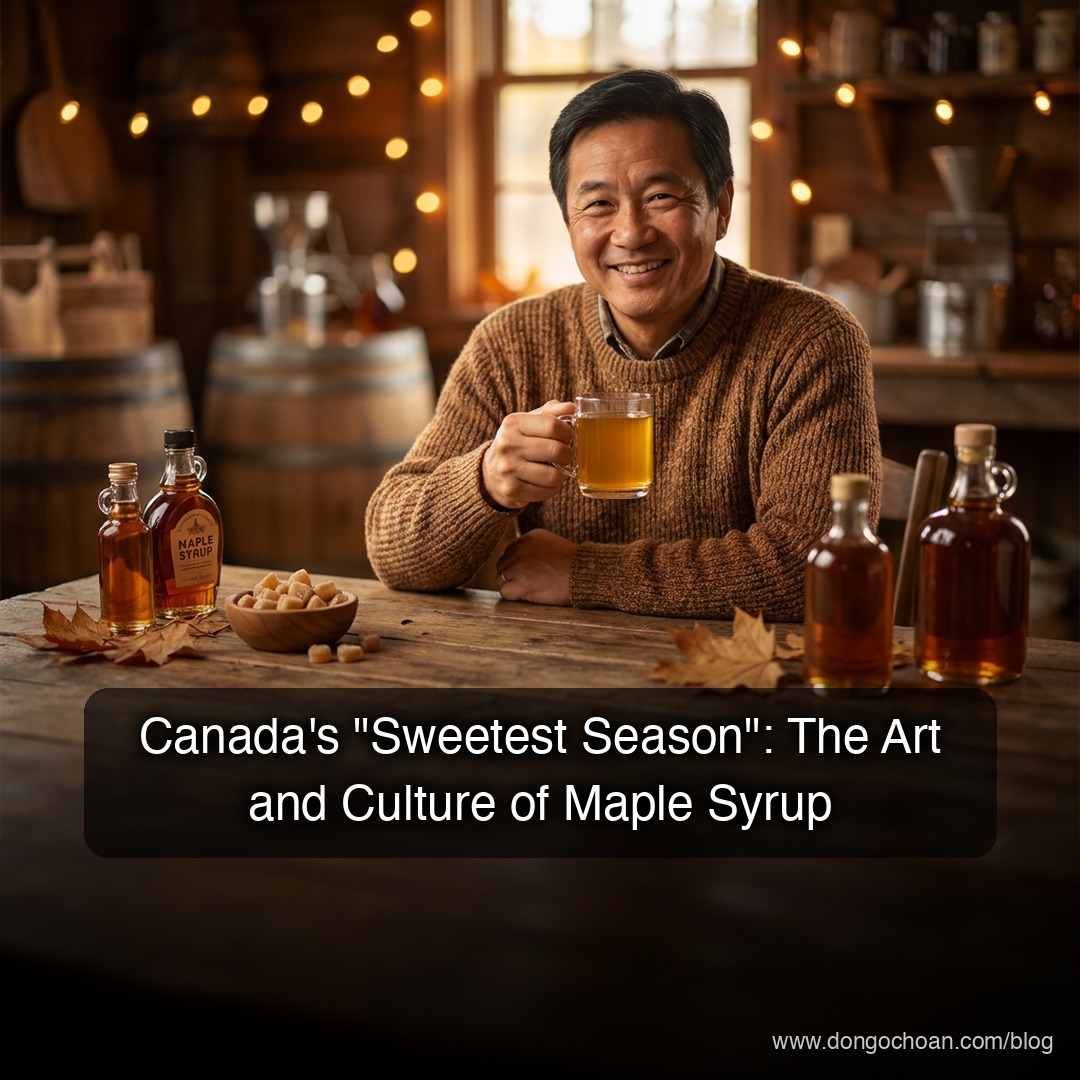
The transition from winter's chill to spring's awakening brings with it one of Canada's most cherished traditions: "the sweetest season." This time of year marks the harvest of maple sap, a practice deeply rooted in history and community, particularly in the province of Quebec.
1. Timing and Context of the Harvest
The maple syrup season typically spans from late February to mid-April. This is when the weather provides the perfect catalyst: freezing temperatures at night followed by warmer, thawing days. This temperature fluctuation creates pressure within the maple trees, causing the sap to flow.
Most of this magic happens in "sugar shacks" (known as cabanes à sucre in French). Quebec is the undeniable heartland of this industry, boasting around 6,000 maple farms. Incredibly, this single province contributes to 90% of Canada's maple syrup production—and considering Canada supplies 73% of the world's maple syrup, Quebec's impact is staggering.
2. From Tree to Table: The Production Process
- •Harvesting: The raw ingredient, maple sap, is collected from the bare trunks of sugar maple trees. While the nostalgic image involves hanging tin buckets ("spiles") on each tree, modern operations often utilize extensive networks of plastic tubing and vacuum pumps to efficiently transport the sap directly to the processing facility.
- •Processing: Once collected, the sap (which is mostly water) must be concentrated. It is boiled down in massive cauldrons or sophisticated evaporator systems. It takes approximately 40 liters of sap to produce just one liter of the thick, golden syrup we know and love.
3. Cultural Festivities at the Sugar Shack
The sweetest season is more than an agricultural harvest; it's a vibrant cultural festival. Communities gather at large, rustic wooden dining halls to celebrate.

Hoan Do
Founder at Wizy Marketing Agency. Passionate about helping Vietnamese businesses in North America scale with modern technology and premium marketing strategies.
Learn more about us →